
The super-nutrient of 2026: Is dietary fibre our undervalued anti-cancer hero?
Written by Sofija Krasauska on 24th March 2026

Dive deep into the hidden benefits of fibre! | Image credit: Sofija Krasauska
Associated with toilet habits and vegetables, dietary fibre hasn’t had the most glamorous rise to fame compared to its popular nutrient counterparts, like the explosive protein-madness of 2025. Recently, fibre has taken over our feeds, with hashtags like “#fibre-maxxing” dominating trends.
But with overwhelming amounts of wellness and health information available at the tap of a button, defining healthy eating can become a challenge. Sofija Krasauska investigates the new super-nutrient of 2026, whether a high fibre diet can help prevent cancer and social media’s influences on our diet.
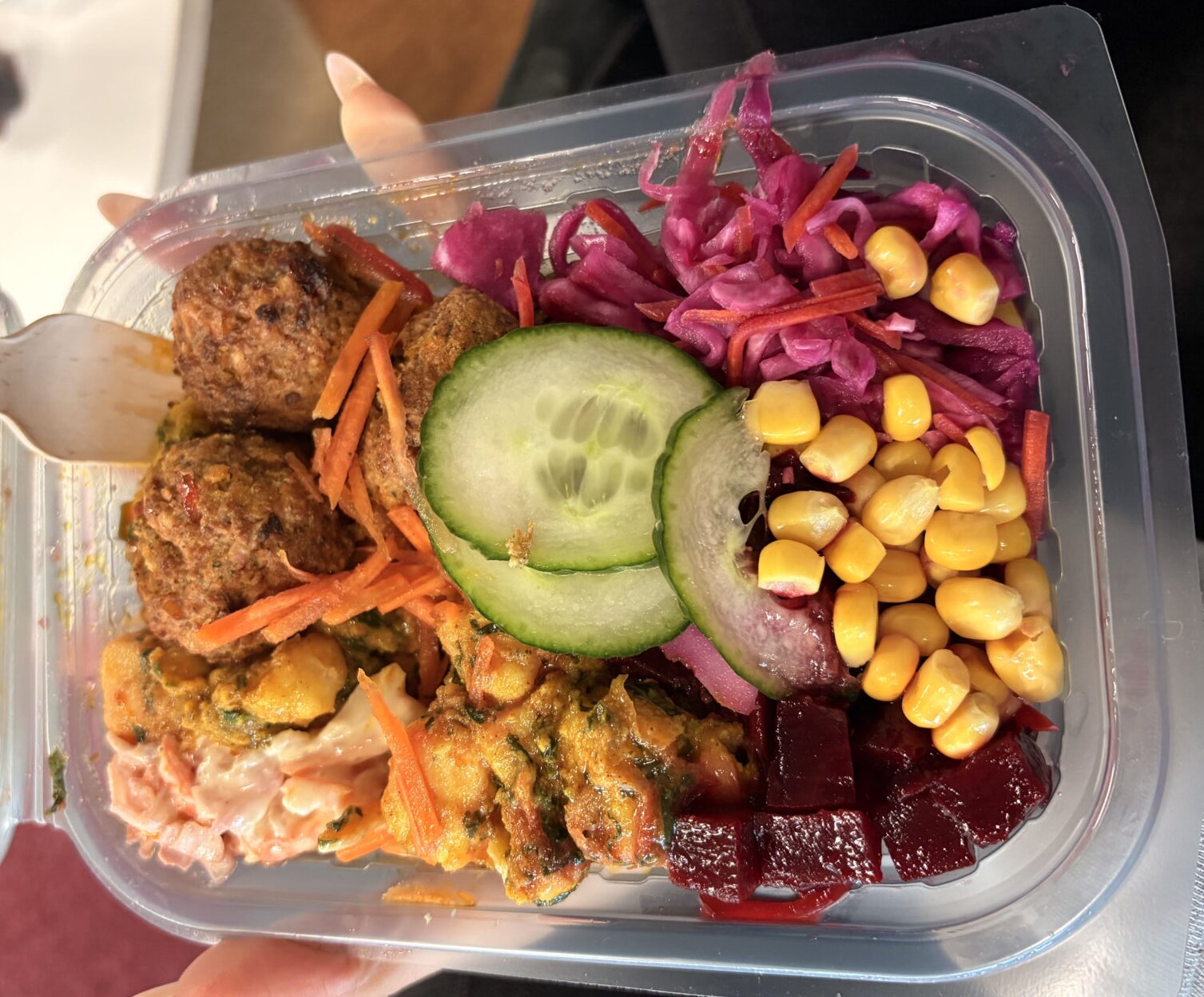
Vegetables, legumes and fruits are high sources of fibre! Image credit: Sofija Krasauska
According to The British Dietetic Association (BDA), dietary fibre is a carbohydrate that comes from non-digestable parts of plants. It’s fermented by gut bacteria in the large intestine and carries a plethora of benefits: regular bowel function, microbiome diversity, blood sugar stability and immune system support. Fibre is usually categorised by physical characteristics: soluble (found in fruit) and insoluble (found in nuts).
Lately, fibre gained more popularity, suggesting it may become the biggest food trend this year.
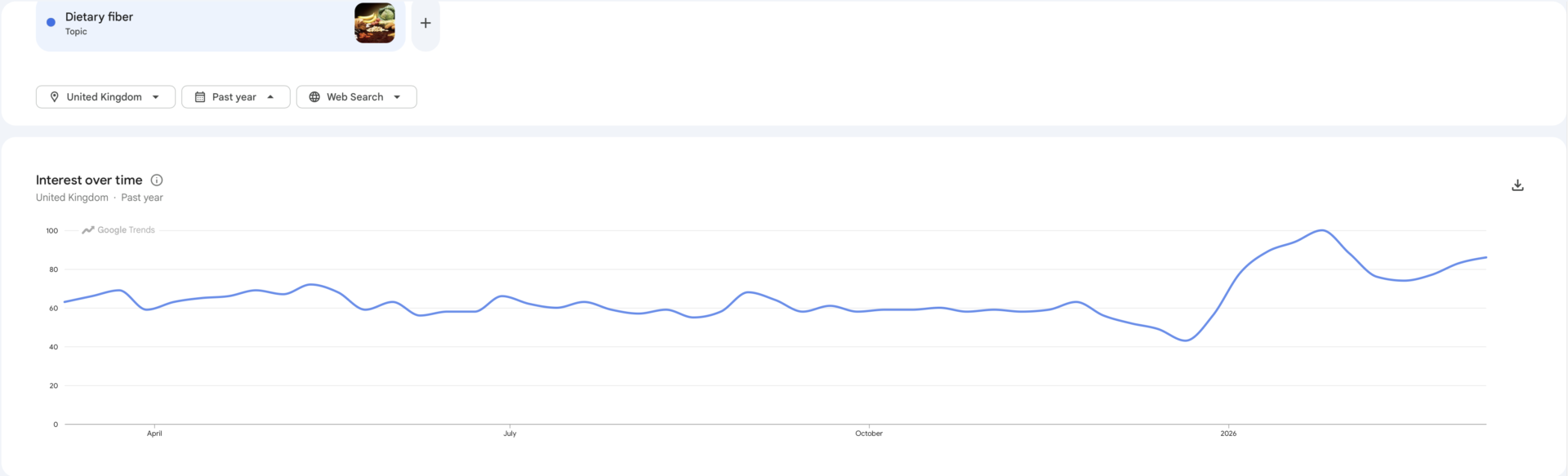
The search trend of “dietary fibre” has spiked since the start of 2026. | Credit: Google Trends
Nutritionist and viral fibre expert, Kristen Stavridis, says fibre is undoubtedly “really cool.” When researching the nutrient for her new book, “The Fibre Fix”, Ms. Stavridis was surprised to learn the positive cognitive benefits of fibre consumption: “It really just helps boost that brain power and helps you feel a lot more clarity of thought.”
View this post on Instagram
“I think protein has really stolen the limelight over the last decade or so, because people associate it with muscle gain, and losing weight, and helping their skin, but actually fibre is a super-nutrient that can do many of the things protein can do and some even better.”
The nutritionist has her own favourite underrated fibre sources: “Dark chocolate of at least 75% is one of my favourite sources of fibre or popcorn as well.
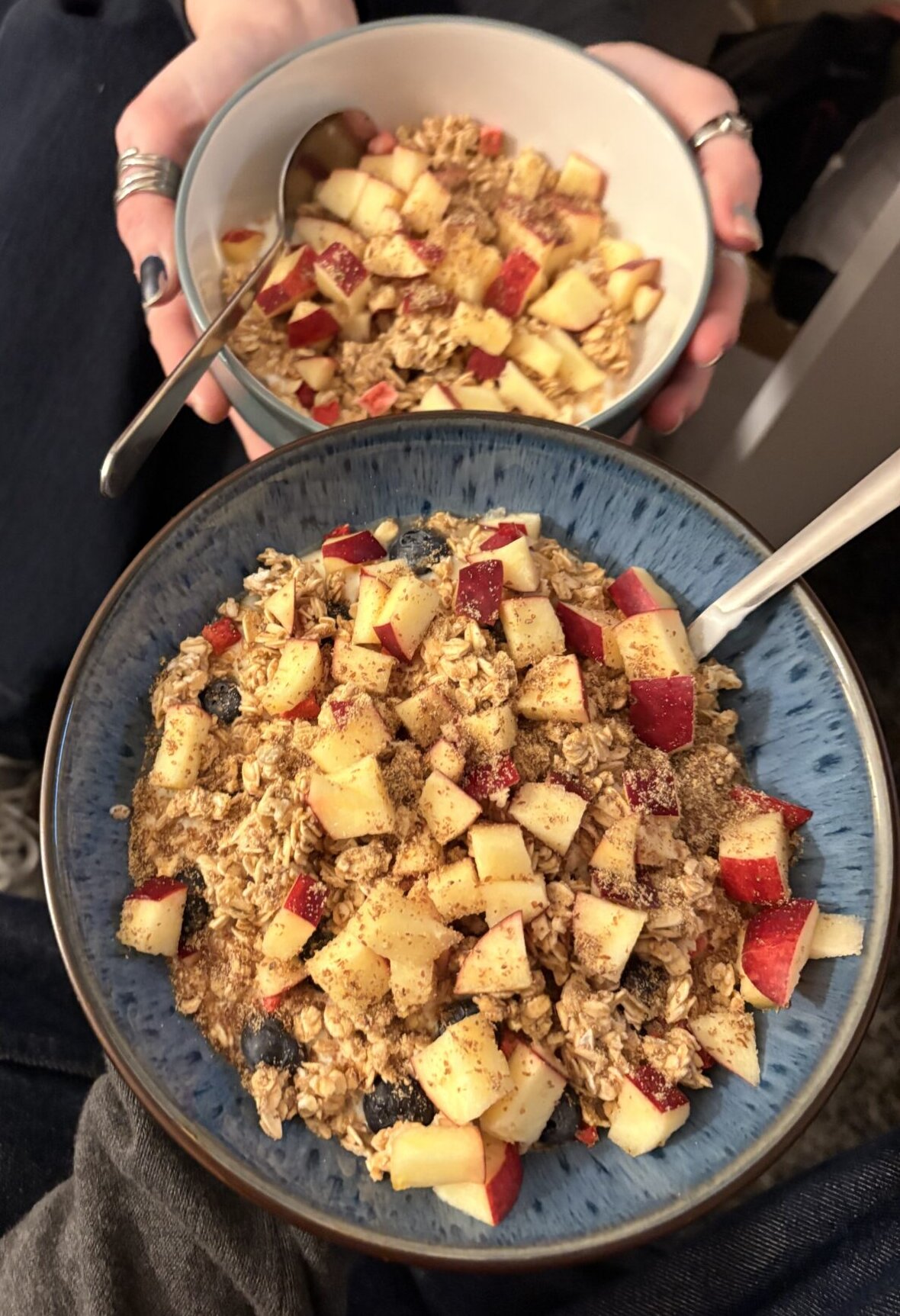
Granola bowls are a great snack option with plenty of fibre from granola, nuts or seeds! | Image credit: Sofija Krasauska
“Sweet potato fries are one of my favourite things. I add them alongside my lunches or dinners. I just pop them in the air fryer, and you get 4.1g of fibre in a serving, which is a big chunk of your daily recommended 30g. It’s really yummy as well!”
Whether fibre is the super-nutrient of 2026 isn’t even a debate for Ms. Stavridis: “It’s the upcoming super-hero of nutrition, and most of us just need to be eating more of it.”
Credit: Sofija Krasauska
The NHS recommends adults to consume at least 30 grams of fibre a day. But how many of us are actually reaching the benchmark? According to the British Nutrition Foundation, the average Brit consumes 17-20g of fibre a day, majorly falling behind the daily norm.
Reaching the daily consumption benchmark can feel overwhelming. Fortunately, many everyday foods contain more fibre than you’d expect, making them perfect fibre super-sources!
Find fibre-superfoods through the carousel below!
Credit: Sofija Krasauska
Like many internet users, Elly Mae Taylor, 23, from Sunderland, was initially focused solely on protein intake.
After being diagnosed with PCOS in 2024, Ms Taylor focused on restoring her hormonal balance: “My reproductive health has improved hugely, I have a regular menstrual cycle for the first time in my life, and I also lost 80lbs.
“I’m also super candid about how hard this was. One big struggle, which I think is nothing to be embarrassed about, was constipation. This was super hard, as often, my reproductive health struggles manifested as bloating, so this only further increased my discomfort.
Initially, fibre even wasn’t a concern: “Whilst I was focusing so heavily on my protein intake, I hadn’t thought or even heard anything about fibre.
“I spent quite a bit of time looking into good sources of fibre and how I could incorporate them into meals and snacks I already ate, making it more suited for me.
“What I can tell you now is that my digestive health has improved massively, and constipation is a thing of the past. I always hope that by sharing my experience and dietary choices, I can help others and make this information as accessible as possible.”

Image credit: @jsnbrsc on Unsplash
Healthy bowel habits and mental clarity are one of fibre’s great benefits. Cancer Research UK states that healthy fibre intake can support weight management, helping prevent 13 types of cancers associated with being overweight.
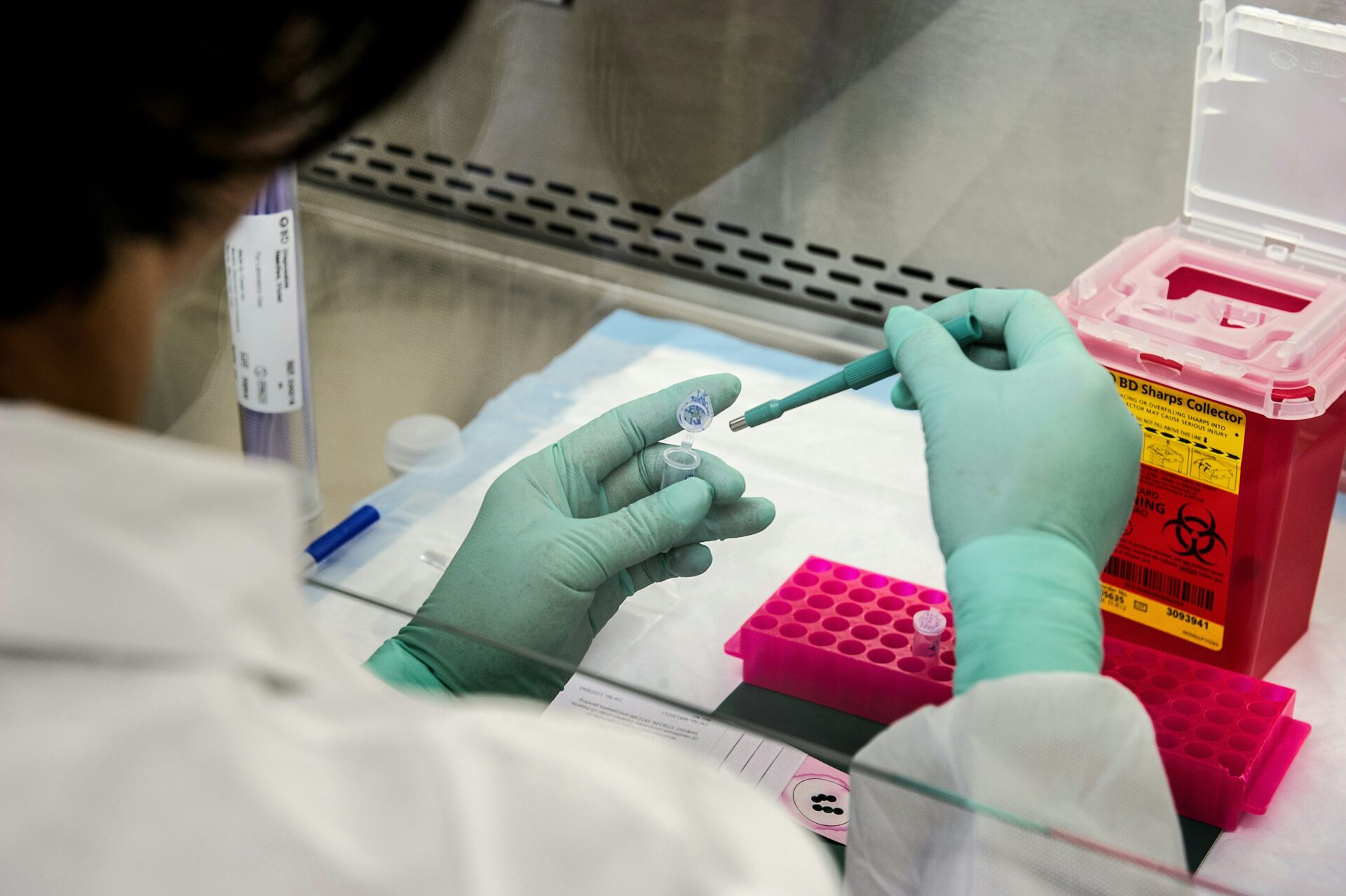
Research shows that high-fibre diets can help prevent colorectal cancer | Image credit: @cdc on Unsplash
Researchers like Dagfinn Aune at Imperial College London, found that a high-fibre diet is also directly linked to lower risks of colorectal cancer: “We have a lot of data on this cancer site. There is currently strong evidence that high intake of dietary fibre reduces the risk of colorectal cancer, according to the World Cancer Research Fund.
“There are also suggestions in the literature that high intake of fibre may reduce breast cancer risk, but more data is needed on other cancer types.
Having worked on over 300 publications, Mr. Aune investigates the influence of lifestyle factors on cancer development: “Diet likely plays a very important part in cancer development and cancer prevention, however, we don’t have the full picture across all cancer types yet.”
Eager for credible nutritional information? Mr. Aune suggests: “The World Cancer Research Fund website or, if interested, a deeper dive into the original literature through the PubMed database.”
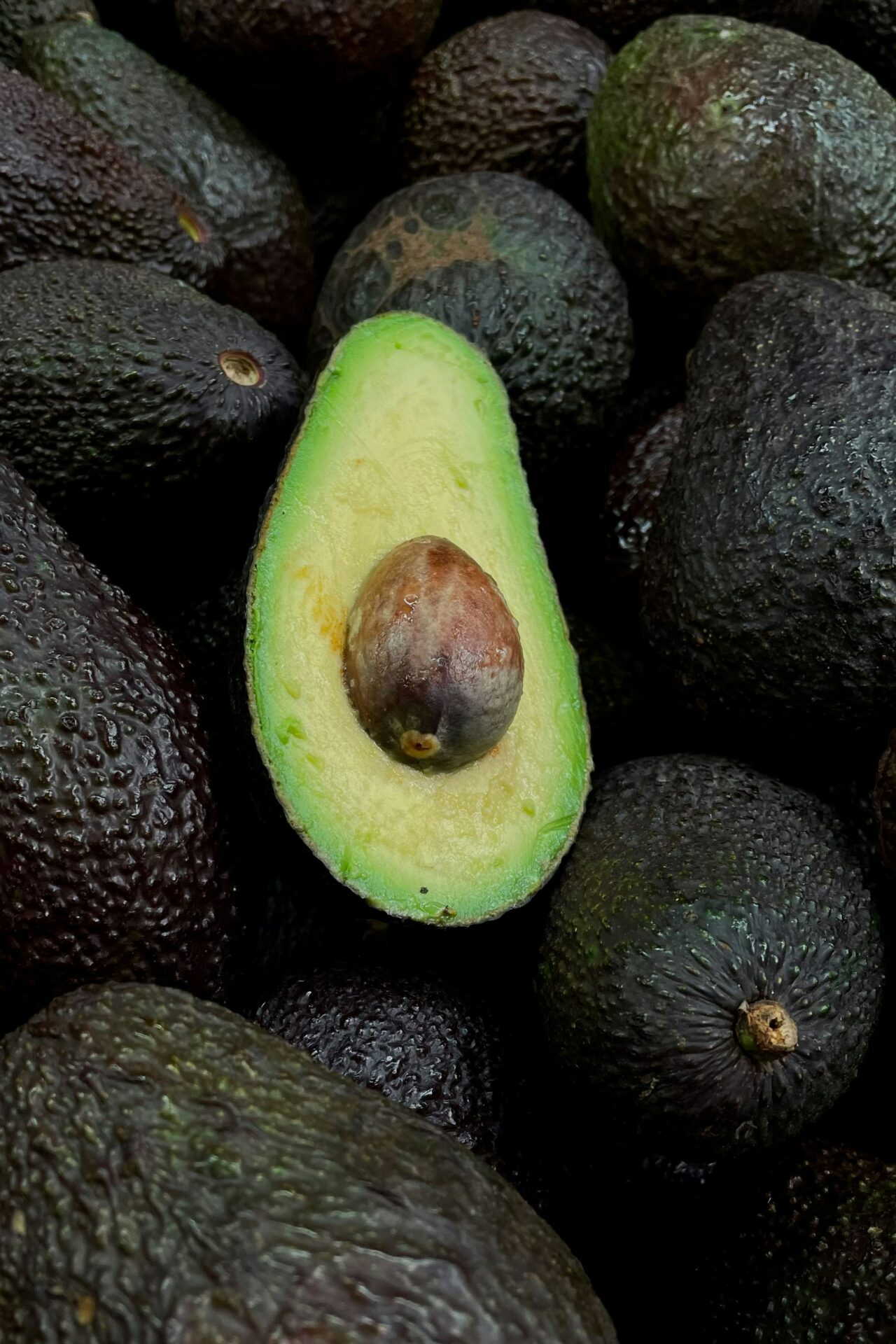
Avocado’s are a great source of fibre with around 10g of fibre per piece! Image credit: @eddiepipocas on Unsplash
Have we reached a point of content-consuming obesity? Perhaps our diets should reflect our needs, not internet trends.

Should our diets be navigated by internet trends or our own needs? | Image credit: Sofija Krasauska
Second-year medical student, Benji Bleazard, says there’s “too much noise” when it comes to health content: “There really sort of seems to be sway towards one hardcore diet, like the carnivore diet that you mentioned or like a fruit only diet or whatever. I think the trouble with that is that humans are meant to be omnivores. We’re meant to eat some meat, some fish, some veg. We’re meant to have a varied diet.
“It’s difficult when influencers online push these extreme diets, favouring one thing or another. I think that skews people’s perceptions of what they need.”
Fibre has taken over our feed, but will it take over our plates? We’ll have to eat and see.
Take the quiz below to test your fibre knowledge!