Fan-owned, but held back? A deep dive into Darlington FC’s uncertain future?
Written by Will Jones on 24th March 2026
From their yearly “Boost The Budget” scheme to the search for a permanent home, Darlington FC presents a complex picture of fan ownership, Will Jones investigates the sustainability of a supporter run club?
When looking back at their ownership history over recent times, there’s been lots of huge moments. Craig Stoddart, Northern Echo Content Editor, has covered the club for more than two decades as a journalist. Stoddart says ‘there’s been lots of significant moments that have led to others, probably the biggest one really, was leaving Feethams’. The club spent 120 years at the ground in Darlington’s centre until 2003, where they were a before owner George Reynolds had them move to the huge 25,000 seater ‘Darlington Arena’ on the edge of town.
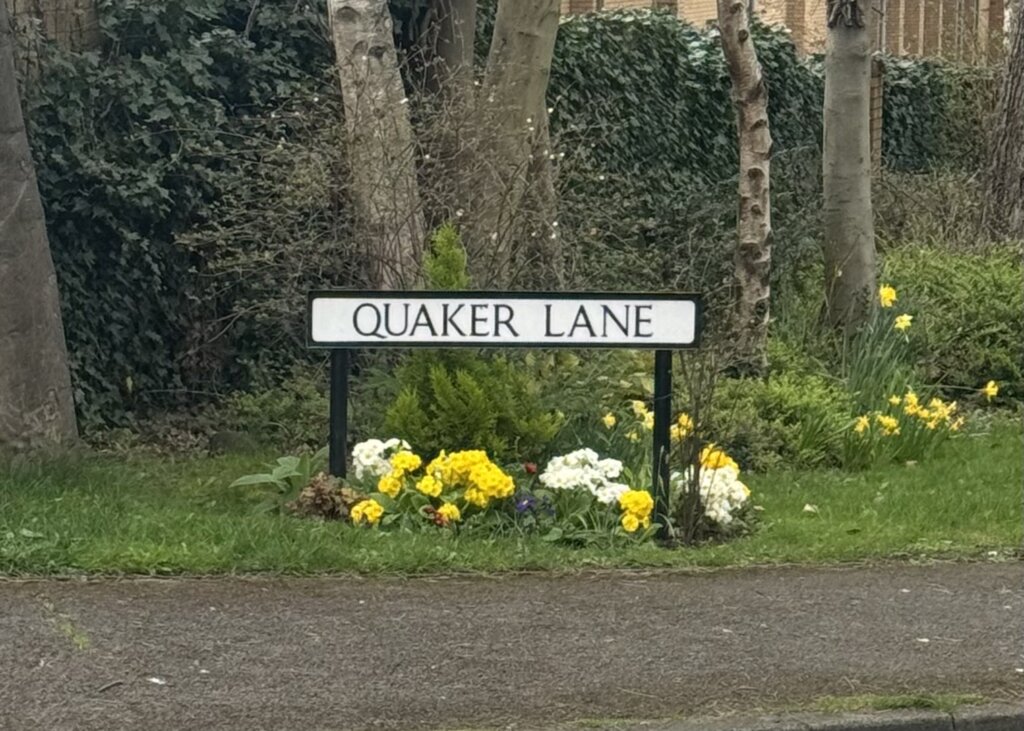
Quaker lane in Darlington – credit – Will Jones
From there, the club entered administration three times in the next nine years. In 2012, the club were expelled from the Football Association, left the arena, and was demoted four divisions to the ninth tier of English Football. This led to a phoenix club set up by the fans to take place, this was called Darlington 1883. The club got three promotions in four seasons from 2012 to 2016 – reaching National League North in 2016, where they’ve remained ever since.
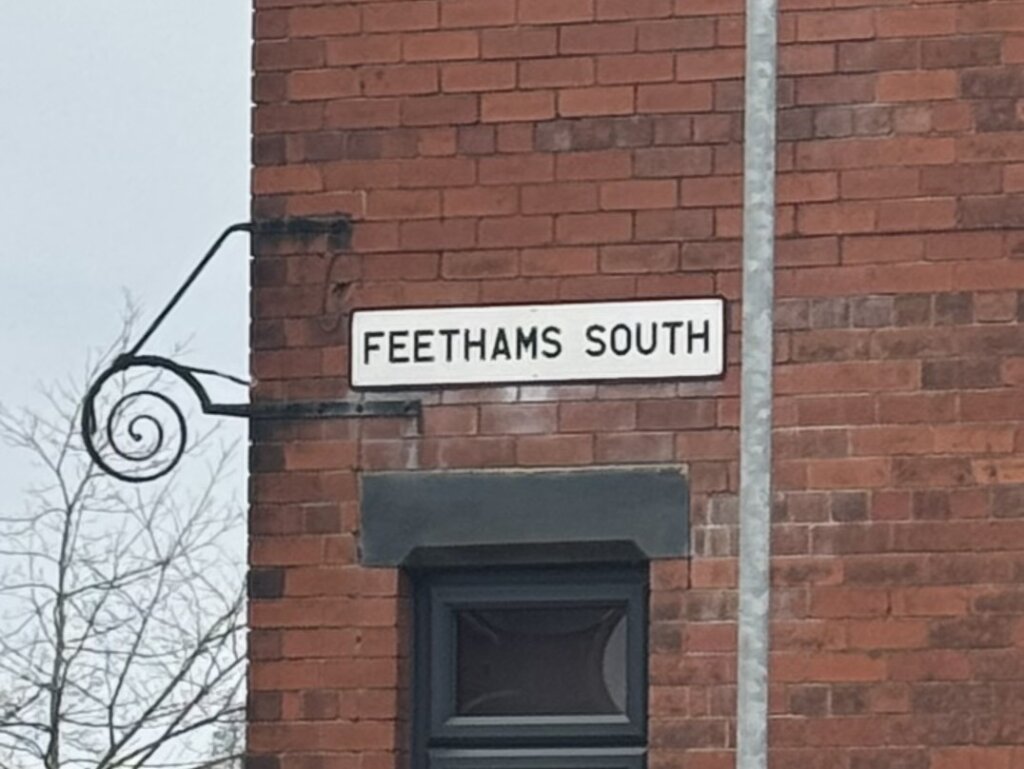
Feethams lane – credit Will Jones
Currently, Darlington are in a place of security through their fan ownership model. The club have spent their last nine years at Blackwell Meadows. The ground is owned by Darlington Rugby Football Club, with whom the club has a licensing agreement with – this means the club don’t make significant profit from the ground. Craig Stoddart refers to it as a “venue to stage football matches, it’s not really home…it ticks boxes”. “It serves a purpose but it’s not home…if you’re old like me, you’d say Feethams was our home…we’ve been nomads ever since really”.
The Quakers have been searching for a new ground for the last four years – announcing plans to leave Blackwell in May 2022. Craig Stoddart believes that while the club’s home is Blackwell Meadows, it will be hard to progress – he said, “if that new ground happened that would open up a scenario where the club could aim higher.”
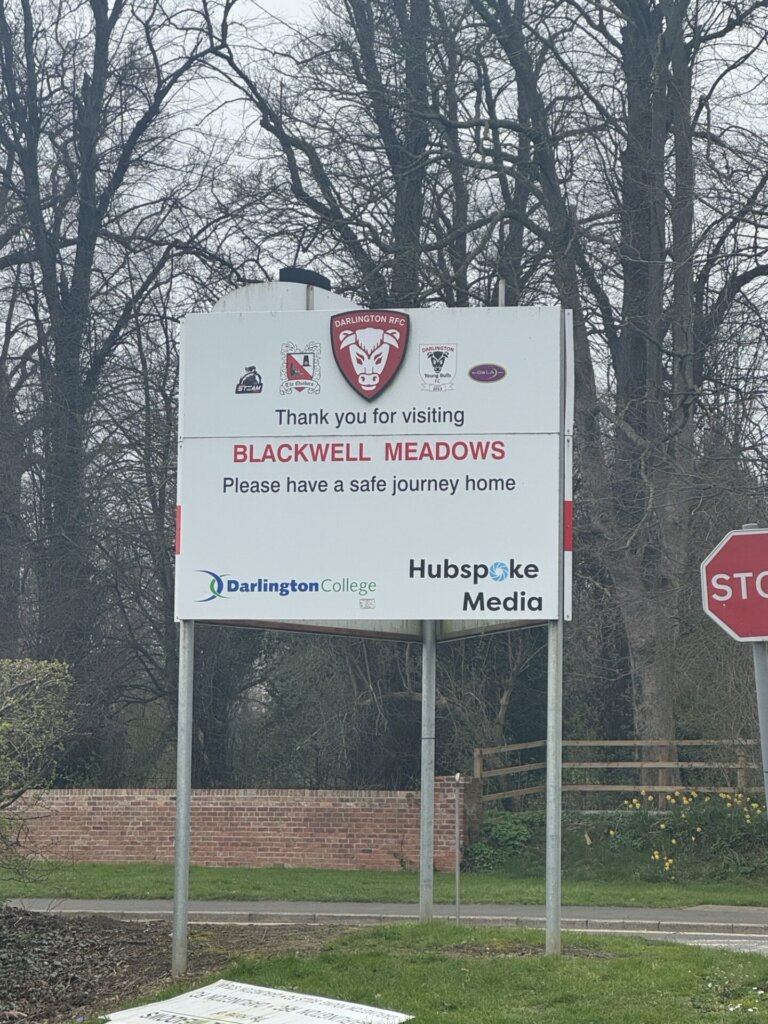
Blackwell Meadows – credit Will Jones
Since 2012, the club’s majority stakeholders have been the Darlington Football Club’s Supporters Group (DFCSG). The group currently own 90% of the shares in the club and while it ensures financial sustainability, it can limit growth as a club due to its reliance of ordinary fans who might not have the funds to help the club invest at a large scale.
One of the ways the club gets funding, is through their “Boost The Budget” campaign. Launched by the DFCSG in 2017, it allows supporters to directly fund the club’s transfer and playing budget for the next season. The annual campaign where fans donate money (one-off or monthly) has raised over £1 million since its inception. In 2025, they raised around £181,000.
David Hart, who’s an academic at Northumbria University, has done research on the scheme for the last year and a half. Hart, who has a background in Marketing, has been a fan of the club since the 1990s.
Hart commented: “The principle of a “Boost The Budget” is sustainable, the numbers we’ve generated since it began suggests there’s a longevity to it… however I do think there would be an issue if we ended up in a different division’.
“The research I did suggested that fans would not necessarily give more if we got promoted and that might reflect their own circumstances than the need.
“What I think would happen is that the scheme would probably end up being a smaller proportion of our budget at a higher level and the club would have to try and find money from other places and that would be difficult when we don’t own our own ground.”
However, despite his findings, Hart still believes that the scheme is something that should be celebrated – “I think that Boost The Budget is probably one of the things that most brings out the sense of pride in the fan base, because sometimes it’s quite hard to connect with the club when it doesn’t feel like it’s got a home.
“You know where we’re playing at the minute is a rugby ground that doesn’t necessarily want us there if it were not for financial necessity.”
Currently, Darlington find themselves in fifth place in National League North, with a good chance of securing play offs. If the club were to be promoted, the financial implications would be clear for the club, as they attempt to compete with clubs who have much greater budgets. According to Craig Stoddart, “the budgets teams have at the next level are three, four times what Darlington spend per year”.
“Financially in the division above, 2/3 of the teams are full time and when we play full time teams, you can tell their fitness is better and they’re more used to playing together” – Hart adds.
Currently, the DFCSG’s aim is to get 1400 members by the end of the season – as of the 7th January this year, they had 1340 – according to Vice Chair of the DFCSG, David Steel, in a survey of 300 DFCSG members, 90% said they felt positive about fan ownership and 74% said they felt like they have influence over the direction of the football club. However, in that same survey only 51% of fans felt that they could get promoted under fan ownership.
This begs the question, what is the future of the club if they remain fan owned? Currently it looks like they’ve found their ceiling in regard to how far the current model can take them ,as well as what their ground provides. However, Quakers’ fans can dream that one day they can return to their former glory days.